


Search the site

How To Create A Digital Marketing Plan For A Sport Event
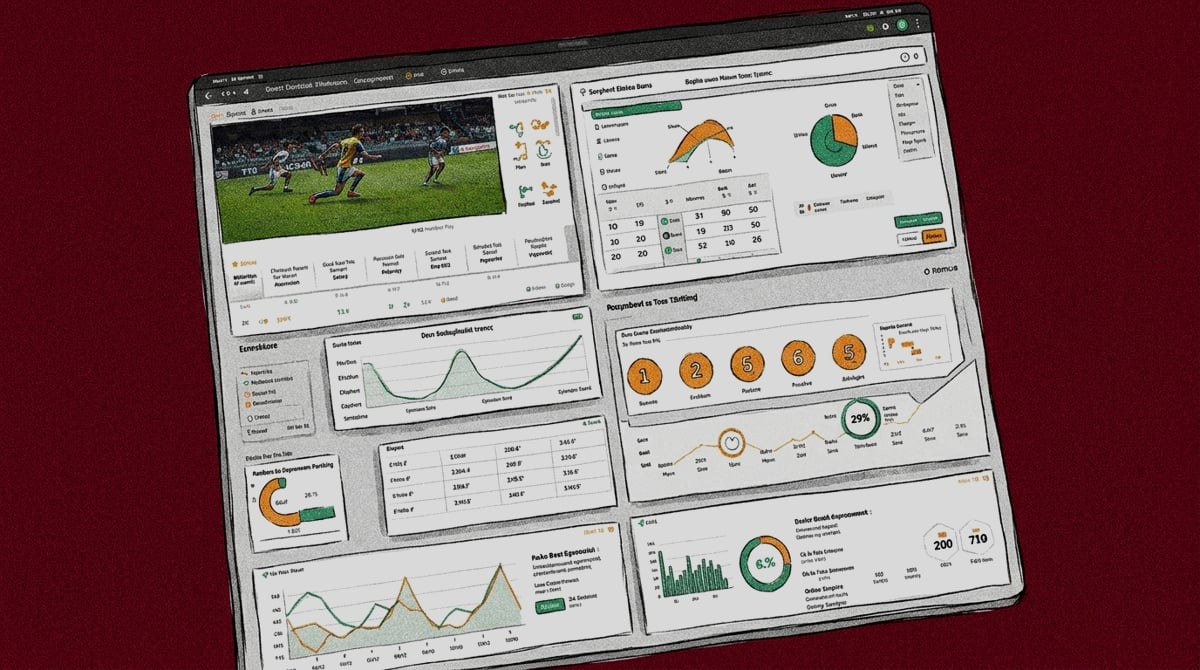
In today’s competitive world, where brands fight for people’s attention, it has become very difficult for sporting organizations to get a piece of the cake. No matter how popular or long their history is. Big sports events don’t go viral by accident.
Yes, it might all look like effortless hype, but that’s usually the result of months of planning, sequencing, and knowing exactly when to say something and when to stay quiet.
Most people think that events like the Kentucky Derby don’t need any marketing, but they’re wrong. The event is more than 150 years old, and each year Churchill Downs is packed with spectators, but that’s the result of clever marketing and months of preparation.
So, if you are planning a digital marketing campaign for a sports event, maybe it is a good idea to look at some sports like the Kentucky Derby for some inspiration.
The Event Is the Ending, Not the Content
The biggest mistake event marketers make is treating the event as the main piece of content.
It’s not.
The event is the payoff. Everything else exists to lead people there emotionally. The anticipation, the speculation, the stories, and the behind-the-scenes moments, that’s the real campaign.
The Kentucky Derby doesn’t market “a race on Saturday.” It markets tradition, fashion, rivalry, and suspense weeks in advance. By the time race day arrives, people already feel invested.
Your plan should work the same way.
Phase One: Build the Story Before You Promote the Date
Horse racing is a prime example. Long before tickets, livestreams, or schedules go live, there is the story. Marketers don’t understand that they need narrative in order to promote something effectively.
For horse training, that narrative might include contenders, history, records, jockeys, stories, or just pure drama. For other sports, it might be athletes, teams, or rivalries. The point is, you need to have a story set before you launch your marketing campaign.
The key point here to understand is that people follow stories, not calendars. Early content should never answer questions people didn’t know they had yet. This phase is all about building a narrative that will allow full-on promo later.
Phase Two: Use Timing, Not Volume
Once people start to pay attention, it’s time for some pacing. Big events don’t flood feeds. That might have the exact opposite effect. They appear in the right moments, usually with big news that builds on that story.
In horse racing, this might be when the final contenders are selected or when some big odds announcements are made. It all depends on the sport’s fanbase and what people like. Horse racing fans love betting, and that’s what keeps them locked in to the sport.
So, you can create a strategy in the early phase to provide useful information, for example, how to bet on Kentucky Derby or special analysis months before the race. Such valuable information, especially when it comes to horse racing betting, will keep fans engaged and locked in just because they expect something in return.
Phase Three: Segment the Audience Without Making It Obvious
One of the reasons why the Kentucky Derby works so well digitally is that it speaks to multiple audiences at once. You have casual fans that only care about the hype or fashion, but also serious bettors who care about analyzing the odds and making the right decision.
The trick here is not forcing one message that speaks to all. After all, not all sports fans are the same, and not everyone is interested in the same thing. Some come to the Super Bowl only for the halftime show, and some go to NBA games without knowing too much about basketball.
Phase Four: Let Social Media Feel Like It’s “Inside the Event”
On race week, official channels don’t feel like broadcasters. They feel like insiders.
Short clips. Glimpses of preparation. Atmosphere shots. Small details that make followers feel closer to the action.
This is where authenticity matters.
Highly polished content has its place, but real-time, slightly imperfect posts often perform better because they feel human. People want to feel like they’re there, not watching an ad.
That’s especially true for sports.
Phase Five: Make the Event Easy to Follow Live
On event day, clarity beats creativity.
People should instantly know where to watch, when things start, and what’s happening. If they need to Google that, your marketing strategy didn’t work.
You have to remember, confusion kills engagement, even faster than bad design.
Phase Six: Don’t Let the Event End When It’s Over
This is the biggest mistake that marketers make in the field of sports. After the event is finished, the job is not done. People expect analysis of races or games, insider news, interviews, and everything in between.
Your job here is to keep people engaged, even after the event is finished.
Post-event content extends the life of the campaign and sets the foundation for next year. It also captures people who missed the live moment but still want to be part of the story.
The Kentucky Derby doesn’t end at the finish line. People are talking about the race months after the event.
Final Thoughts
Sports events succeed digitally when marketing is in line with how people experience these events. It all falls to anticipation, from slow building to emotional investment, clear moments of focus, and shared reactions.
If you follow this principle, you’ll immediately see a boost in engagement, no matter the sport.
Related ...


Subscribe to our insights


