


Search the site

Why Pittsburgh Nonprofits Lose Members at Renewal Time
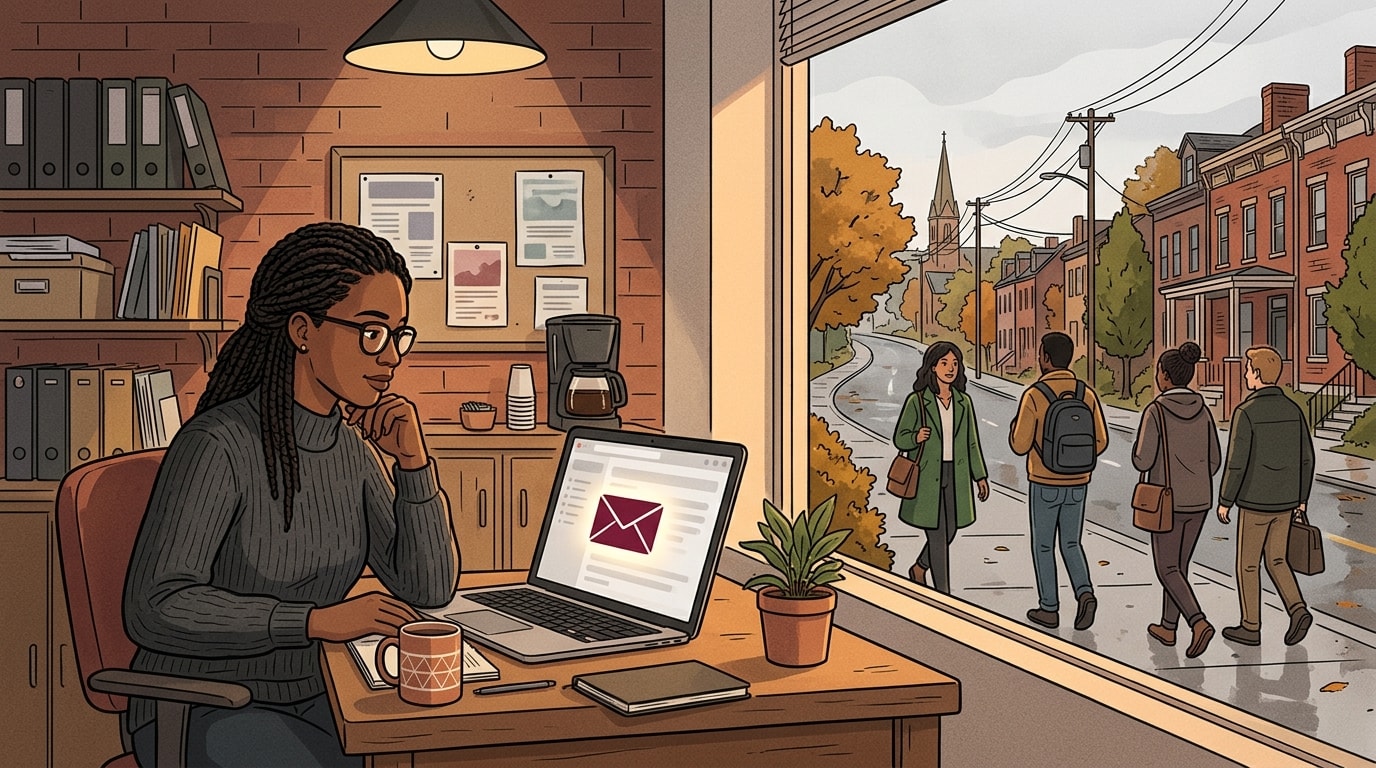
January dues. Twelve months of goodwill. One email that lands in a promotions tab and never gets opened. That is how a lot of Pittsburgh nonprofits lose people they never meant to lose.
I've sat in on enough board meetings around the city to know how the conversation goes. Someone pulls up the member count. It's lower than last year. The room blames the economy.
Sometimes that's fair. Most of the time, though, the members didn't really leave. They drifted out at the one moment the organization asked them to do something.
This post looks at where renewal breaks down, what it costs, and what a small team can fix before the next cycle.
The Short Answer
Most members don't quit. They lapse. The difference matters, because a lapse is usually a process problem, not a mission problem.
The national numbers point the same way. The Fundraising Effectiveness Project found that the number of donors fell 3.6% in 2025, even as total dollars raised went up about 5%. Fewer people are carrying more of the load. Member-based groups feel that squeeze hardest at renewal time.
It isn't a lack of willing people, either. Across the country, 75.7 million people formally volunteered through an organization in 2023, according to AmeriCorps. Interest is there. Follow-through is the weak spot.
Where Membership Management Software Earns Its Keep
Here's the part most small organizations skip. They run renewals out of a spreadsheet, a shared inbox, and one staff member's memory. When that person takes a week off in December, renewals go quiet with them.
This is the exact job membership management software was built for. It keeps the member list, the renewal dates, the reminders, and the payments in one place. Nothing depends on who happens to be in the office that week.
Plenty of smaller associations, clubs, and chapters around Pittsburgh run on WildApricot, a platform for managing memberships that sends automated renewal reminders, takes dues online, and runs a members-only website without a developer. Groups with a heavy fundraising side often weigh it against Neon CRM, while larger trade associations with a dedicated membership staff tend to end up on MemberClicks.
The brand matters less than the habit the tool forces. Reminders go out on schedule. Failed payments get flagged. Nobody has to remember.
Five Places Renewal Quietly Breaks
If your numbers dipped last cycle, odds are good the leak sits in one of these spots.
- One reminder, sent once. A single email the week dues expire is not a renewal campaign. It's a hope.
- A payment page built like a tax form. If renewing takes more than two minutes on a phone, people close the tab and mean to come back later. Many don't.
- Expired and replaced cards. The member wants to stay. The card on file doesn't.
- No story about value. Members who attended nothing all year can't say what they're paying for. So they stop paying.
- Bad timing. January renewals land right after holiday spending, when every household is looking at its statements.
None of these are about the mission. All of them are fixable.
The Money Side Nobody Mentions
Dues timing is a bigger deal than most boards admit. The Federal Reserve reports that only 63% of adults would cover a surprise $400 expense with cash or its equivalent. For everyone else, a $180 renewal in January is a real decision, not an autopilot charge.
Monthly dues change that math in people's heads. A $15 monthly charge feels lighter than $180 once a year, even though it adds up to the same amount.
Card habits matter too. U.S. consumers make about 17 credit card payments a month on average, per Federal Reserve Financial Services. Members expect to pay by card. But cards expire, get swapped after fraud alerts, and hit limits. Without a system that retries and sends a polite heads-up, those members fall off without ever saying no.
My Take
I'd rather see a 60-member arts collective in Bloomfield with a clean renewal process than a 600-member association still running on spreadsheets. The small group will keep its people. The big one will keep wondering where they went.
Fix the boring parts first. Automate the reminders. Make renewing a one-minute task on a phone. Offer a monthly option. Then work on the events and perks that give members a reason to stay.
A Renewal Calendar That Actually Works
You don't need a big team for this. You need dates.
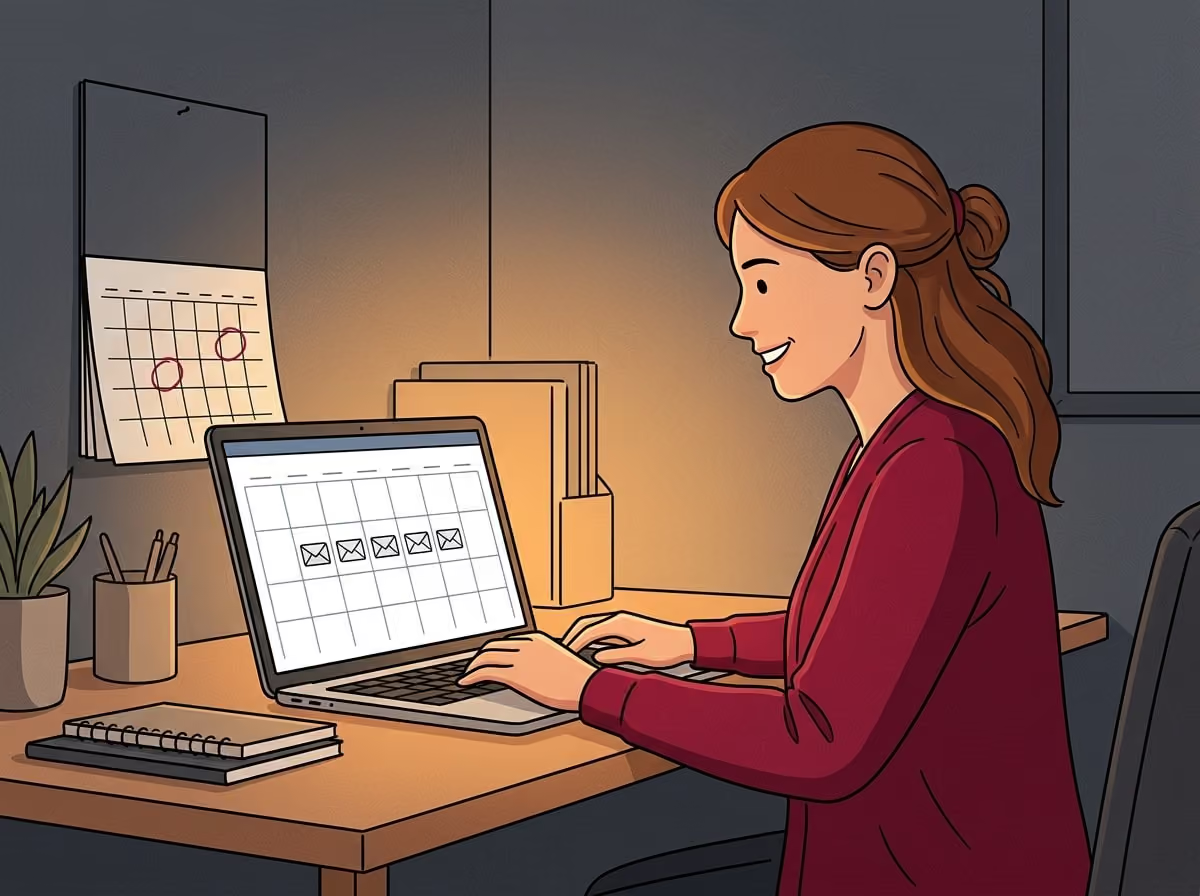
- 60 days out: A friendly heads-up with a short recap of what the member got this year.
- 30 days out: The renewal link, front and center, plus a monthly payment option.
- 7 days out: A short, direct reminder. One sentence, one button.
- Expiration day: A final note that access ends soon, with no guilt trip.
- 30 days after: A grace-period message. A real person's name in the signature helps here.
Set it once, and let the system run it every year.
FAQ
What is a good membership renewal rate?
It depends on the type of group. A neighborhood association and a professional chapter won't look alike. Track your own rate year over year, and look at first-year members separately, since they are usually the hardest to keep.
Should a small nonprofit offer automatic renewal?
Usually, yes, as long as members opt in clearly and can cancel easily. Auto-renewal removes the single biggest point of failure, which is the member having to remember.
How early should renewal reminders start?
Around 60 days before expiration works for most groups. Earlier than that and the message gets ignored. Later and you lose the people who need a little time to budget.
Is software worth it for a group under 100 members?
Often, yes. Small groups usually have the least staff time, so automation saves more hours per member. Most tools price by contact count, so a small list keeps the cost low.
One Last Thing
Pittsburgh has a deep bench of people who care about their neighborhoods, their causes, and their professions. Most of them would happily renew if someone made it easy.
Look at your last renewal cycle with fresh eyes. Find where people dropped off. Then fix that one spot before January comes around again.
Related ...





Subscribe to our insights


