


Search the site

Social Marketing and Online Reputation Management That Build Trust

What people say about your brand online is no longer separate from your marketing strategy. It is part of it. Social marketing and online reputation management used to be treated as two different functions. The platforms where you publish content are the same platforms where your reputation is being built, challenged, and evaluated in real time.
The brands getting this right are not just posting more or responding faster. They are treating social marketing and reputation management as a single connected strategy, one that builds trust consistently across every touchpoint where their audience shows up.
Below, we break down how these two functions work together, where most brands get it wrong, and what it actually takes to build a reputation that holds up under scrutiny.
Breaking Down Social Marketing and Reputation Management
Before you can connect these two functions, it helps to understand what each one actually does and where they overlap.
Social media platforms now drive over 60% of product discovery, making them one of the first places a potential customer encounters your brand. Social marketing is how your brand shows up across those platforms. It covers your content strategy, posting cadence, tone of voice, community engagement, and how you communicate your value to your target audience. Every post, reply, and campaign shapes how people experience your brand in real time.
Online reputation management is what happens in response to that presence. Around 88% of people trust online reviews as much as personal recommendations, which means what others say about your brand carries as much weight as what you say about yourself. ORM focuses on monitoring, managing, and responding to what is being said about your business across review platforms, social media channels, search results, and increasingly AI-generated summaries.
The two functions connect in the same places:
- Comments and replies that reflect how your audience feels about your content and your brand in real time
- Online reviews that influence purchasing decisions long after the original experience
- Direct messages where concerns, questions, and complaints surface before they go public
- User-generated content that signals an authentic customer experience in a way branded content never can
Social marketing puts your brand into the conversation. Reputation management shows you how it is being received. The gap between the two is where trust is either built or lost.
Why Social Marketing and Reputation Are Now Tightly Linked
The reason these two functions have become inseparable comes down to one shift: the places where brands publish content are now the same places where reputation is formed, challenged, and evaluated.
According to research, 84% of marketers say building trust is their top priority. That is not a coincidence. It reflects how much the landscape has changed and how quickly perception now forms in public spaces that brands do not fully control.
Here is why keeping social marketing and reputation management separate no longer works:
- Social platforms now function like search engines: People check Instagram, TikTok, LinkedIn, and Reddit before making decisions. Your content and your reputation appear side by side in those searches. A strong post sitting next to an unanswered complaint tells its own story.
- Decisions happen faster than ever. Reviews, comments, and visible feedback shape perception within seconds. A prospect who lands on your profile and sees consistent engagement and positive sentiment moves forward. One who sees silence or defensive responses moves on.
- Feedback is public and permanent. Conversations on social media and review platforms do not disappear. They stay visible, get indexed by search engines, and continue influencing future customers long after the original interaction.
- Reputation directly impacts marketing performance. Positive sentiment increases click-through rates. Consistent responses reduce purchase hesitation. A track record of engagement builds the kind of customer loyalty that no ad campaign can manufacture.
Your brand's reputation is now a live feed. What you post, how you respond, and what others say about you are all happening in the same public space, in real time, in front of the same audience.
How Social Marketing and Reputation Work Together
What you publish shapes how people perceive your brand. How people respond shapes what you publish next.
Here is where that loop plays out in practice:
Every Post Shapes Perception

Your content sets expectations before a prospect ever interacts with your brand directly. The messaging you lead with, the tone you use, and the consistency of what you publish all signal what kind of company you are. A brand that shows up with clear, valuable, and consistent content builds credibility before a single review is ever read.
Engagement Builds or Breaks Trust
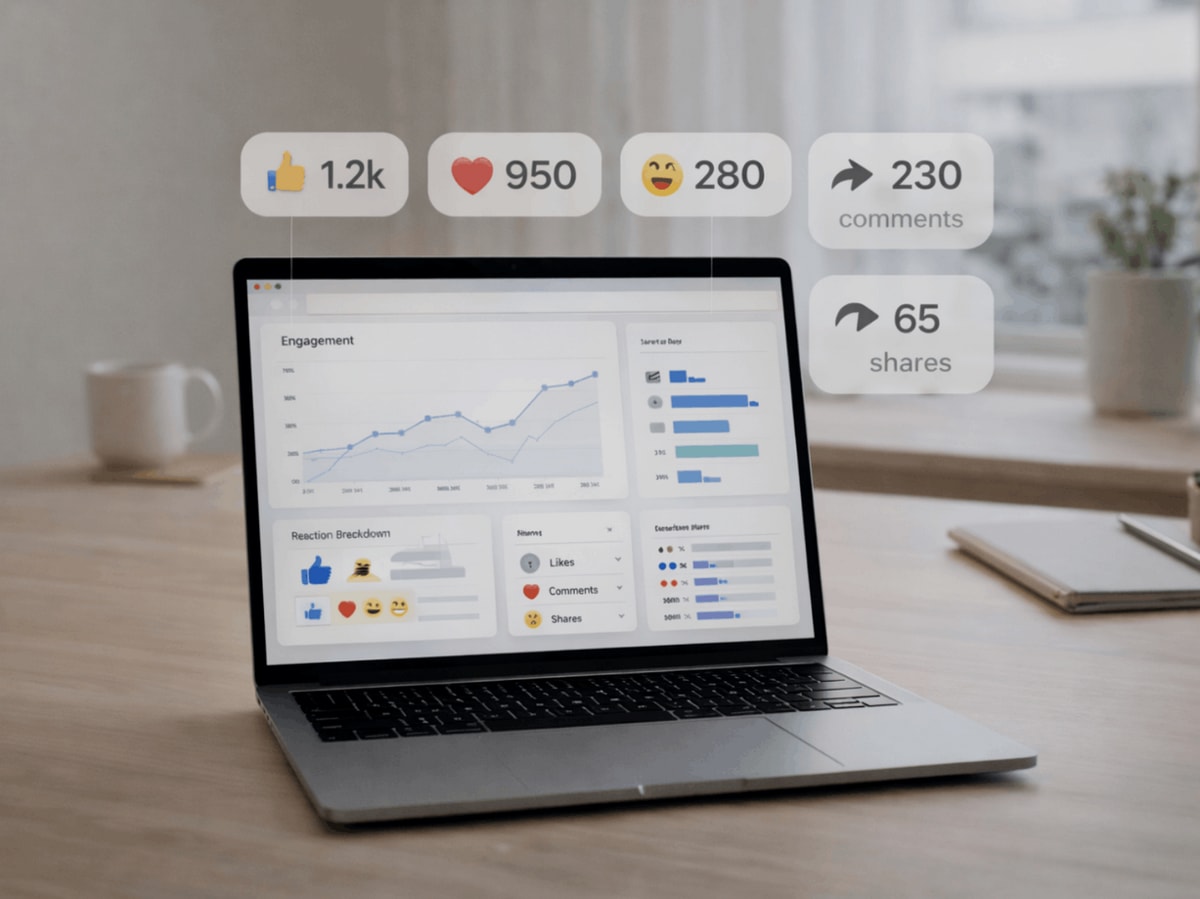
How your brand responds to comments, questions, and criticism in public is one of the most visible reputation signals you have. A thoughtful reply to a complaint does more for brand trust than a polished campaign. A defensive or delayed response does the opposite. Speed and tone both matter and both are being watched.
Reviews and Feedback Influence Decisions

Comments, reviews, and user-generated content are the reference points people rely on when your marketing alone is not enough to convince them. They are looking for proof that other people had the experience you are promising. That proof lives in your reviews, your response history, and the content your customers create about you organically.
Sentiment Should Guide Your Content
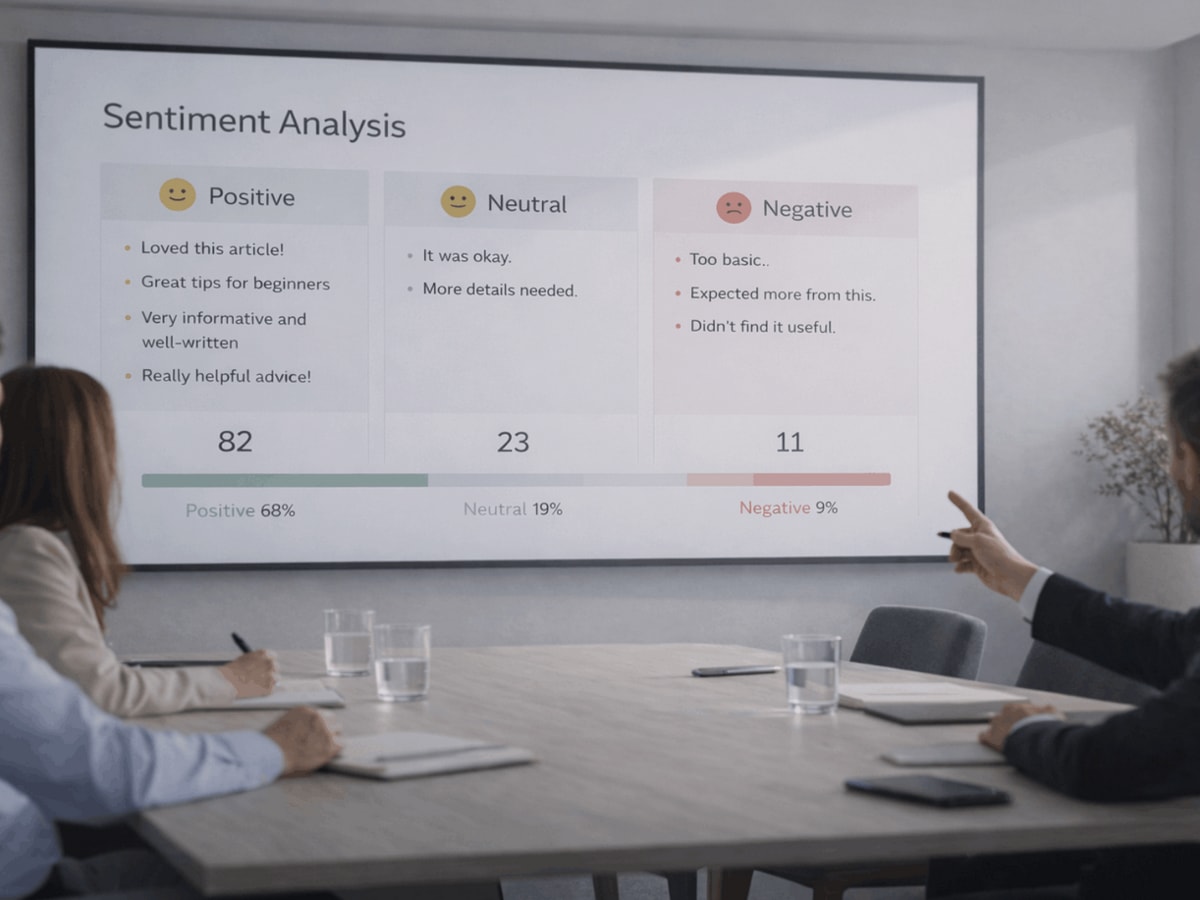
Recurring complaints point to gaps. Recurring praise points to what to double down on. The brands that close the loop between reputation data and content strategy consistently outperform the ones treating them as separate functions.
Over time these interactions compound. A brand that publishes well, responds consistently, and actively listens to what its audience is saying builds a reputation that marketing spend alone cannot replicate. The same principles apply whether you are managing a company or an individual brand, as this look at online reputation management for individuals shows.
What the Right Tools Actually Need to Do
Managing social marketing and online reputation manually across multiple platforms is not a strategy. It is a liability. The right tools bring everything into one place so your team can monitor, respond, and act without constantly switching between tabs and missing what matters.
Here is what those tools actually need to do well:
- Social monitoring and listening: Track mentions, tags, and social media data across platforms in real time. Tools like Brand24, Mention, and Sprout Social surface conversations about your brand across social media posts, forums, and news sites. Catching negative publicity early is what separates proactive brand reputation management from reactive crisis management.
- Review management across platforms: Manage and respond to positive online reviews and negative feedback from Google, Trustpilot, and industry specific sites from one dashboard. Platforms like Birdeye and ReviewTrackers ensure your team never misses feedback that is actively influencing your search rankings and how prospects perceive your company online.
- Sentiment analysis: Tone matters as much as volume. Built-in sentiment analysis helps your team identify patterns in social media data, distinguish genuine concerns from isolated complaints, and use those insights to guide creating positive content that resonates with your target market and existing customers.
- Unified inbox: Comments, direct messages, and reviews should flow into one place. A unified inbox keeps responses consistent, reduces response time, and ensures your brand's values come through clearly across every interaction, including reputation repair situations.
- Reporting and trend tracking: The best tools show you where things are heading, not just what is happening now. Tracking sentiment trends, review velocity, and social engagement over time gives your team the data needed to improve brand visibility, strengthen search engine optimization efforts, and build a broader audience of brand advocates.
Without clear visibility and control, it becomes harder to respond with context and consistency. Understanding the difference between good content from bad content can also help you refine how your responses come across and ensure they align with what your audience actually finds useful.
Common Mistakes That Undermine Trust
Even with the right tools and a solid social media reputation management strategy, small gaps in execution can quietly damage your brand's online presence and business performance. These are the mistakes that come up most often and what to do instead.
1. Responding Without Context
Generic replies feel automated and disconnect your brand from the actual customer interaction. On social media platforms and third party sites, people expect responses that reflect the specific situation and customer feedback they shared.
The Fix: Reference the actual concern in your reply. Relevant, specific responses improve real time engagement, create a more positive impression for new customers reading the exchange, and signal that your brand is paying attention.
2. Ignoring Negative Feedback
Unanswered negative reviews and negative comments stay visible in search engine results pages and continue shaping customer sentiment long after they are posted. Left unaddressed, they contribute to a negative reputation that is harder to reverse over time.
The Fix: Respond promptly, even with a brief acknowledgment. Early responses signal accountability, support effective online reputation management, and protect your positive online presence before a small issue gains traction in online conversations.
3. Inconsistent Tone Across Platforms
A disconnect between your social media presence and how you respond on Google reviews and other third party sites weakens your brand's image and creates a fragmented experience across the digital landscape.
The Fix: Align tone across all social media channels and review platforms. Consistency strengthens your positive online image and creates a more credible experience for both existing and new customers evaluating your brand.
4. Focusing on Volume Instead of Sentiment
High engagement or review volume does not automatically reflect a positive online reputation or strong customer satisfaction. What matters is what people are actually saying and how that shapes your online perception.
The Fix: Use social listening tools and social media monitoring to track customer sentiment and patterns in online conversations. Responding based on insight rather than assumptions is what drives real brand visibility and gives your brand a competitive advantage in the digital landscape.
5. Overlooking User-Generated Content
Customer posts, tags, and positive mentions often carry more weight than branded content when it comes to shaping how your company is perceived in search engine results and across social media platforms.
The Fix: Engage with relevant user content and highlight positive reviews and positive mentions. This builds brand advocates organically, improves your search engine results pages presence, and strengthens your social media reputation management over time.
Trust is shaped through these moments. Small adjustments in how you respond can change how your brand is perceived over time. Looking at how fractional marketing service companies set the standard approach strategy can offer useful context on how consistent execution builds credibility without overcomplicating the process.
You Do Not Control the Conversation. But You Shape It.
Every review, comment, and mention happening across social media platforms and search engine results is contributing to how your brand is perceived right now. The brands that show up consistently, respond thoughtfully, and actively monitor their online conversations are the ones building a positive online reputation that compounds over time.
Social marketing and online reputation management are not separate functions with separate owners. They are two sides of the same strategy. What you publish influences how people talk about you. How people talk about you influences what you should publish next. The brands that close that loop are the ones turning customer sentiment into a genuine competitive advantage.
Effective online reputation management is not about controlling every narrative. It is about making sure your brand's image in the digital landscape accurately reflects the standard you hold yourself to in practice. The positive online presence you build through consistent content, timely responses, and genuine social engagement is one of the highest-leverage investments your brand can make.
If you want to see how this translates into a strategy built around your brand specifically, Aikenhouse works with brands on exactly this. Let's talk strategy.
Related ...





Subscribe to our insights


